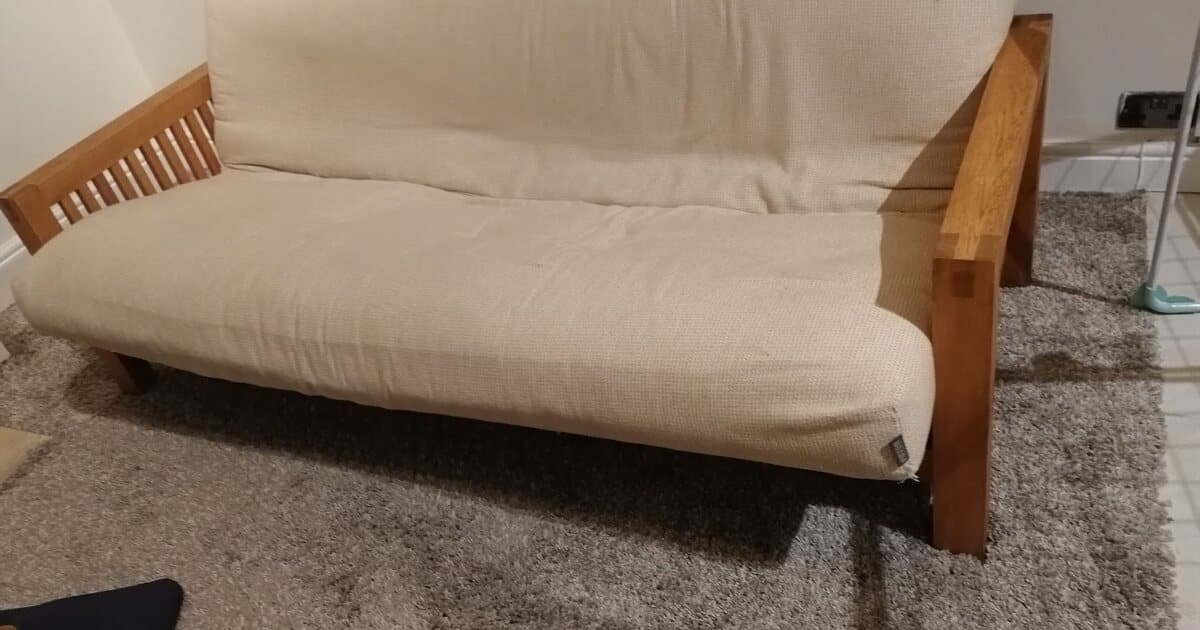

Most days, somewhere on the Island, a pile of bin bags, a sofa or a broken fridge turns up in a field gateway or a lay-by. Sometimes the person who paid to have it taken away believed it had gone to the tip. Under the law, they can still be answerable for it.
This is the practical guide we wish every householder read before replying to a "rubbish removed, cheap" post. It covers what the law asks of you, how to use the Environment Agency's register, what a waste transfer note is and whether you need one, and the questions that sort a proper firm from a fly-tipper in about two minutes.
The scale of the problem
Fly-tipping is common on the Island, and most of what gets dumped comes from people's homes. A council committee report, covered by OnTheWight in July 2026, recorded 203 fly-tipping incidents on the Island between January and March 2026, up from 188 at the end of 2025. More than half were mixed household waste. By size, van loads were the biggest group, followed by car-boot loads and single items, and most of the waste was dumped by the roadside.
Nationally, the picture is the same, only larger.
1.26m
fly-tipping incidents dealt with by councils in England, 2024/25
Source: Defra
62%
of those incidents involved household waste
Source: Defra
159,000
incidents were the size of a Transit van load
Source: Defra
69,000
fixed penalty notices issued by councils in England
Source: Defra
Those figures are from Defra's fly-tipping statistics for England, 2024 to 2025. Every one of those van loads of household rubbish started in somebody's home, and the law expects that somebody to have checked who took it.
Your duty of care, in plain English
Section 34(2A) of the Environmental Protection Act 1990 says that the occupier of a home must take all reasonable measures to make sure their household waste is passed only to an authorised person. In practice, an authorised person means the council, a registered waste carrier, or a properly permitted waste site.
The government's waste duty of care code of practice explains what "reasonable measures" means for a householder. Before a private business takes your waste, check it is "an authorised carrier with up to date and valid upper tier registration". Ask for a copy or photo of the registration, get a receipt with the business's details, and note the vehicle. There is no legal requirement to keep those records, but they are your evidence if things go wrong.
The Isle of Wight Council puts it more bluntly on its fly-tipping page: "If your waste is found dumped, even if someone else has done it, you could be fined for it."
What the penalties are
- For the householder who didn't check: a fixed penalty notice of up to £600 for breaching the household waste duty of care. Failing the duty is a criminal offence, and the code of practice notes that prosecution can lead to a fine and a criminal record.
- For the person who dumps it: a fixed penalty of up to £1,000. Councils can also search and seize vehicles linked to fly-tipping (GOV.UK, Crime and Policing Act 2026 factsheet).
- In the Crown Court, fly-tipping under section 33 of the Act carries up to five years in prison, a fine, or both.
Handing your rubbish to someone doesn't end your responsibility for it. Checking who you've handed it to is what protects you.
How to check the public register, step by step
The Environment Agency's register of waste carriers, brokers and dealers is free, public and needs no login. It takes about five minutes.
- Ask for the registration number. Any legitimate firm will give it without hesitation, and many print it on their website, invoices or van. In England, carrier numbers start with CBDU.
- Open the register. Go to the Environment Agency public register search.
- Search by number first. Type in the registration number. If you don't have one, you can search by business name, or by postcode with a distance of up to 10 km. The form asks you to tick upper tier, lower tier or both: tick both, then look at the result.
- Read the entry. Each registration shows the number, the business name, the address, the tier and the expiry date (example entry).
- Match it to the person in front of you. The name on the register should match the name on the quote, the receipt and, ideally, the van. A real number belonging to a different business is a bad sign, not a technicality.
- Check the tier and the date. For someone collecting your rubbish as a business, you want upper tier, and an expiry date in the future. Upper tier registrations must be renewed every three years.
- Screenshot it. Save the page with the date, alongside the receipt and the van's registration.
If you'd rather not use the website, the Isle of Wight Council's advice is to call the Environment Agency on 03708 506506 and ask.
Upper tier and lower tier: why it matters
The register has two tiers. Lower tier is for people who only carry their own waste (other than building waste), for charities and voluntary groups, and for some specialist waste. Upper tier is for everyone else, including anyone who collects other people's rubbish for money (Environment Agency register).
So a lower tier registration doesn't cover someone offering to take your rubbish away for cash. A gardener registered to carry their own green waste is not, on that registration alone, someone you can hand your old sofa to.
Waste transfer notes: what they are and whether you need one
A waste transfer note is the record businesses use when waste changes hands. The code of practice says it must describe the waste and how much there is, say when and where it was handed over, give the names, addresses and registration numbers of both sides, and be signed by both. Businesses must keep them for two years (three for hazardous waste).
As a householder getting rid of your own household waste, you don't legally need one. The code says that part of the duty "specifically does not apply" to householders. What you do need is enough to show you took reasonable care:
- a receipt or invoice with the carrier's business name, address and registration number;
- what was taken, the date, and the price;
- the vehicle's make, colour and registration;
- your screenshot from the register.
If a firm offers you a full waste transfer note anyway, take it. It's a sign they're used to doing things properly. If you run a business, including a holiday let, you do need transfer notes: see our guide to holiday let clearance.
When the waste isn't yours to worry about
If a builder, gardener or kitchen fitter produces waste while working at your home, it's their waste and their duty, and the cost of getting rid of it should be in their price. The duty of care comes back to you if you hand over your own rubbish, for example by throwing your old furniture into the builder's skip.
Where is your rubbish actually going?
This is the question that catches out most dodgy operators on the Island, because the honest answer is specific.
The Island's two household tips, at Lynnbottom and Afton Marsh, take household waste only, every visit must be booked, and business waste is turned away to the commercial site (recycling centres). Under the council's DIY waste rules, charges apply when waste is "transported by a third party on behalf of the resident", and contractors can't use the residents' free allowance (DIY waste charges). A licensed firm takes business loads to the separate Commercial Waste and Recycling Centre at Lynnbottom, where the council requires a waste carrier licence and a completed transfer note at the gate, and charges by the tonne. General waste was £200 a tonne there as of October 2026, and upholstered seating £450.
So when someone says "I'll just drop it at the tip for you", ask which one, and how. The honest answers sound like "the commercial site at Lynnbottom", or a named private permitted site, or "the furniture's going to a reuse charity and the rest to the commercial site". And if a price is far too low to cover the gate fee for what's being taken, it's fair to ask how the sums work.
Red flags in the ads
Plenty of rubbish-removal adverts on the Island appear on social media and community noticeboards, and many of them are perfectly genuine. The warning signs below don't prove anything on their own. Two or three together should make you stop.
- No business name, just a first name and a mobile number.
- No registration number, or "it's on the van" with no van in the photos.
- Cash only, no invoice, no receipt.
- A price given without any idea of what's being taken, or one that changes on the doorstep.
- "Same price whatever it is", including fridges, sofas, paint and rubble, which all cost a proper firm different amounts to deal with.
- Vague about where it goes: "the tip", "a mate's yard", "don't worry about it".
- Cold calls and door knocks, including the "scrap man". The Isle of Wight Council warns that such collectors "may not be a registered waste carrier and could take the bits they need and dump the rest", and buying scrap metal for cash has been an offence since the Scrap Metal Dealers Act 2013.
- An unmarked van and no address you could find again if you needed to.
What to ask before you book
Several councils use the SCRAP code, developed by the Hertfordshire Waste Partnership, as a quick reminder: Suspect every carrier until they've shown they're legitimate, Check the register, Refuse unexpected offers, Ask where it's going, and get Paperwork. Put into questions, that means:
- What's your waste carrier registration number? Is it upper tier?
- What's the business name and address on the registration?
- Where will my waste go, and what happens to anything reusable?
- Is the price fixed for what we've agreed, and what would change it?
- Will I get a receipt or invoice with your registration number on it?
- Are you insured to work at my property?
- What won't you take? A firm that says "everything" hasn't thought about it.
A good firm will answer every one of those without fuss. For our part, we're a licensed waste carrier and fully insured, and we'll give you our registration number so you can check the register entry yourself before we book. You get a written price before anything is agreed. We take reusable furniture and goods to reuse, separate the recycling, and use licensed facilities for the rest. Our checklist for choosing a rubbish removal firm sets out what a fair price has to cover, using the Island's own tip charges.
Want a carrier you can check first?
Ask us for our registration number, look us up on the register, and then tell us what needs to go. We cover the whole Island from Newport.
If it goes wrong
If you find your rubbish dumped, or you think the person you paid has fly-tipped it:
- Report it to the council on 01983 823777 or through the council's fly-tipping page. Don't move it yourself.
- Gather what you have: the advert, messages, the receipt, the van's details, and your screenshot from the register. This is the evidence that you took reasonable measures.
- Report illegal waste activity to the Environment Agency's incident hotline on 0800 80 70 60.
The more you checked beforehand, the stronger your position. The household duty of care is about reasonable measures, not perfection.
Book with someone you can look up
The licence check is quick and free, and it's the single most useful thing you can do before anyone takes your rubbish away. Whether you're booking a one-off rubbish removal, a full house clearance or regular commercial waste removal, the questions above apply. If the council's own service suits you better, our guide to the council bulky waste collection explains how it works and what it won't take. For the wider picture of getting rid of things on the Island, see our Isle of Wight tips guide.
Frequently asked questions
How do I check if a waste carrier is licensed?
Ask for their registration number, which starts with CBDU in England, and search for it on the Environment Agency public register. Check the business name and address match, that it is upper tier, and that the expiry date has not passed.
Can I be fined if someone else fly-tips my rubbish?
Yes. Householders have a legal duty to pass waste only to an authorised person, and the council can issue a fixed penalty of up to £600 if you did not take reasonable care. Keeping a receipt and a record of your register check is your best protection.
Do I need a waste transfer note for household rubbish?
No. The duty of care code says the transfer note requirement does not apply to householders disposing of their own household waste. You should still get a receipt with the carrier's business details and registration number.
Is a lower tier registration enough?
Not for someone who collects other people's rubbish as a business. Lower tier is for people carrying only their own waste, charities and a few specialist cases. A firm taking your household waste away for payment should be upper tier.
Can a man and van take my rubbish to the household tip?
Not on your free allowance. The household tips take household waste only, contractors cannot use the residents' free allowance, and business loads go to the commercial site at Lynnbottom, which needs a carrier licence and a transfer note.
Want it gone without the lifting?
Tell us what needs to go and we'll come back with a price. Anywhere on the Isle of Wight.

Written by
Michael Shaw
Michael looks after marketing at Isle of Wight Rubbish Removal and has worked in rubbish removal full-time in the past.
About Isle of Wight Rubbish Removal